

Why Your Next Journey Should Be a Solo One
Step 1: Laying the Groundwork for Your Perfect Solo Trip
Before you even dream about booking a flight or packing your bags, the first and most important step in solo travel planning is setting a strong foundation. This means understanding why you want to travel alone, what excites you, and how to make smart choices about where you’re going and what you’ll do. It’s all about crafting a trip that truly speaks to your soul, allowing you to accept the “Joy of Missing Out” (JOMO) on anything that doesn’t fit your unique travel wishes. In fact, a whopping 62% of surveyed travelers say that ‘JOMO travel’ actually helps reduce stress and worry, proving that a trip designed just for you is the perfect recipe for a truly relaxing escape.
Choosing the Right Destination
When we’re talking about solo travel planning, your safety should always be at the very top of the list. We want to pick a place where you feel completely comfortable and secure. This way, you can dive fully into your trip without constant worry holding you back. A great place to start is by checking official sources. The U.S. State Department’s travel-safety ratings offer super helpful insights. You can also look at the Global Peace Index (GPI), which ranks countries based on how peaceful they are. For example, Portugal was ranked the seventh-safest country in the world by the GPI in 2024! Plus, Berkshire Hathaway Travel Protection also gives out excellent safety rankings, noting Iceland, Australia, and Canada as their top three for overall safety in 2025.
Beyond general safety, it’s thoughtful to consider destinations that cater to different groups. For our female, BIPOC, and LGBTQIA+ travelers, Costa Rica stands out, ranked as the sixth-safest place in the world by Berkshire Hathaway Travel Protection. Your peace of mind is priceless!
Once safety feels good, let your personal likes and dislikes be your guide. Are you dreaming of busy city life, quiet natural beauty, or diving deep into a new culture? Think about the weather during your trip dates – do you love sunshine, snow, or mild temperatures? And don’t forget your budget! While Switzerland’s cost of living is 84 percent higher than Austria’s, Austria offers more affordable options, like the Austrian Mountain Club’s network of over 170 cozy huts. Even Bhutan, ranked 21st on the Global Peace Index, recently made its unique cultural experiences more accessible by halving its daily tourist fee from $200 to $100 last year.
There are so many wonderful choices for solo travelers that perfectly balance safety, natural beauty, and unique experiences. Consider Portugal, known for its warm people, tasty food (a beer in Lisbon costs around $3 compared to $8 in Paris!), and diverse scenery from beaches to historic cities. It’s even attracting digital nomads with special visas! Then there’s Costa Rica, a true paradise for nature lovers, offering thrilling activities and a strong focus on eco-tourism. Canada, with its 37 national parks and 11 national park reserves, is perfect for those who love the outdoors. Cities like Vancouver and Montreal are also top spots for solo travelers, seeing lots of solo-travel searches and dining reservations. And we can’t forget Australia, which Berkshire Hathaway scored as the second-safest place in the world to travel for 2025, boasting vast landscapes and lively cities.
Finding Your Solo Travel Style
One of the best parts about solo travel planning is the amazing freedom to design your very own trip. What kind of experience truly makes your heart sing? Do you crave total independence, or would you prefer some organized activities where you can meet others? Pinpointing your solo travel style will help us make sure your trip is as enjoyable as possible.
Here’s a quick look at different ways to travel solo:
| Travel Style | Description | Best For |
|---|---|---|
| Independent Travel | You plan every detail, from flights and accommodation to daily activities. This offers maximum flexibility and freedom. It can be “on the move” (constantly changing locations), “hub & spoke” (using a base for day trips), or “slow travel” (extended stays to live like a local). | Those who love planning, crave ultimate freedom, enjoy problem-solving, and want to fully immerse themselves at their own pace. |
| Backpacking | A form of independent travel, often budget-conscious, involving carrying all belongings in a backpack and staying in hostels or budget accommodations. | Adventurous, budget-minded travelers who want to meet other travelers, don’t mind basic amenities, and enjoy spontaneous exploration. |
| Digital Nomadism | Blending work and travel, often requiring extended stays in a location with reliable internet. | Professionals who can work remotely, seek long-term cultural immersion, and desire a flexible lifestyle. |
| Group Experiences | Joining organized tours (escorted, self-guided, river cruises, ocean cruises) with other travelers, even if you arrive solo. These tours handle logistics and provide companionship. | First-time solo travelers, those who prefer structure, want to meet people easily, or wish to explore destinations where independent travel might be challenging (e.g., Bhutan often requires a guide). |
| Activity-Based Travel | Focusing your trip around a specific activity like hiking, surfing, yoga, or a language course. You might join a retreat, a surf camp, or a trekking group. | Travelers with specific hobbies who want to deepen their skills, meet like-minded individuals, and have built-in social interaction. Examples include surf houses in Portugal or mountain yoga festivals in Austria. |
We recommend asking yourself: How much alone time truly works for you? For some, it’s all about constant solitude. For others, it’s a happy mix of solo exploration and social interaction. If you’re not quite sure, consider adding a group tour to the very beginning or end of your solo trip. Or, maybe plan a visit with friends or family midway through to balance your solo and social time. The main goal is to pick the style that makes your heart sing, ensuring a truly enjoyable and enriching experience!
Step 2: The Blueprint: Your Ultimate Solo Travel Planning Checklist
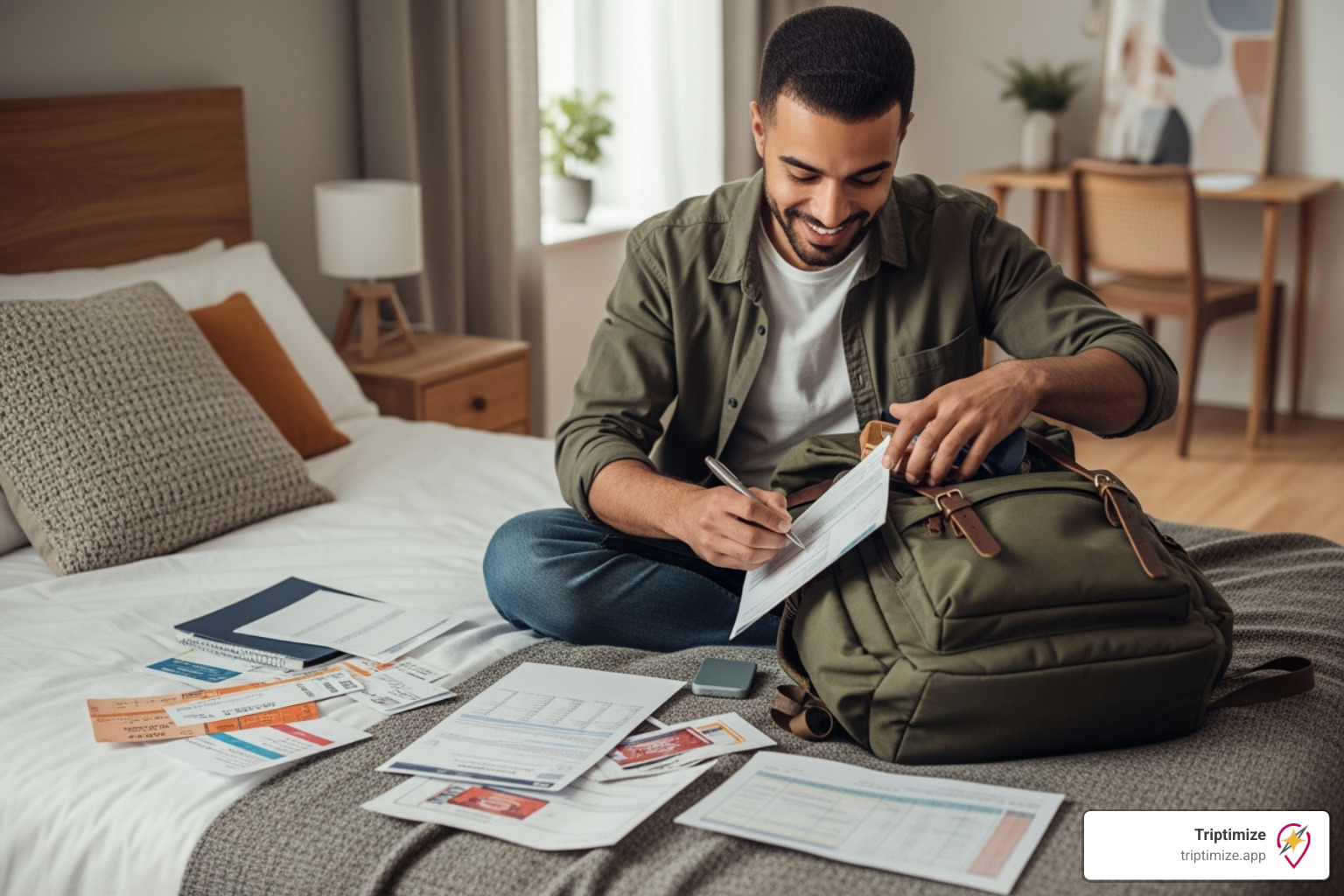
With your destination chosen and travel style in mind, it’s time to turn ideas into a concrete—yet flexible—plan. Think of this phase as drawing up the blueprint for a house you’ll soon move into: you want solid walls, but also windows that open wide when inspiration strikes.
How to Budget and Manage Your Finances
Solo travelers carry 100 % of the costs, but smart planning keeps expenses in check.
- Start with a realistic pre-trip budget. Separate flights, accommodation, food, local transport, activities and a “just-in-case” cushion.
- Track price trends 3–4 months out. Flying mid-week or outside peak season often saves hundreds.
- Stretch your accommodation budget. Hostels with private rooms, guesthouses, or short-term apartment rentals give you privacy without hotel prices.
- Arrive with some local cash and carry at least two debit or credit cards stored in different places. Decline dynamic currency conversion at ATMs to avoid hidden fees.
- Eat like a local—street stalls, markets and grocery stores deliver authentic flavors at a fraction of restaurant costs.
Crafting a Flexible Itinerary
Structure keeps you grounded; spontaneity keeps the trip exciting.
- Book the essentials (first night’s stay and any “bucket-list” activities) before you leave.
- Follow the three-night rule—anything shorter often feels rushed.
- Schedule travel days so you reach new lodgings in daylight; moving is more tiring when you’re on your own.
- Keep at least one open slot every day for serendipity—those unplanned hours often create your favorite memories.
Triptimize’s AI-powered planner can pull flights, stays, and experiences into one view, then reorder or optimise them in seconds—no spreadsheets required.
Essential Documents and Smart Packing for Solo Travel
- Passport valid for six months beyond your return date (with blank pages).
- Research visas early; some take weeks.
- Photocopy and scan all critical documents. Store digital copies in secure cloud storage you can reach from any device.
- Buy comprehensive medical and travel insurance as soon as you pay for anything non-refundable.
- Pack light: versatile quick-dry clothing, a compact first-aid kit, universal adapter, power bank, and an open uped smartphone for local SIM cards.
- Use a hidden money pouch for an emergency card and cash.
A good rule of thumb: pack only what you can carry up three flights of stairs on your own. The lighter the load, the more agile you’ll feel while exploring.
Step 3: Thriving on the Road: Safety, Connection, and Problem-Solving
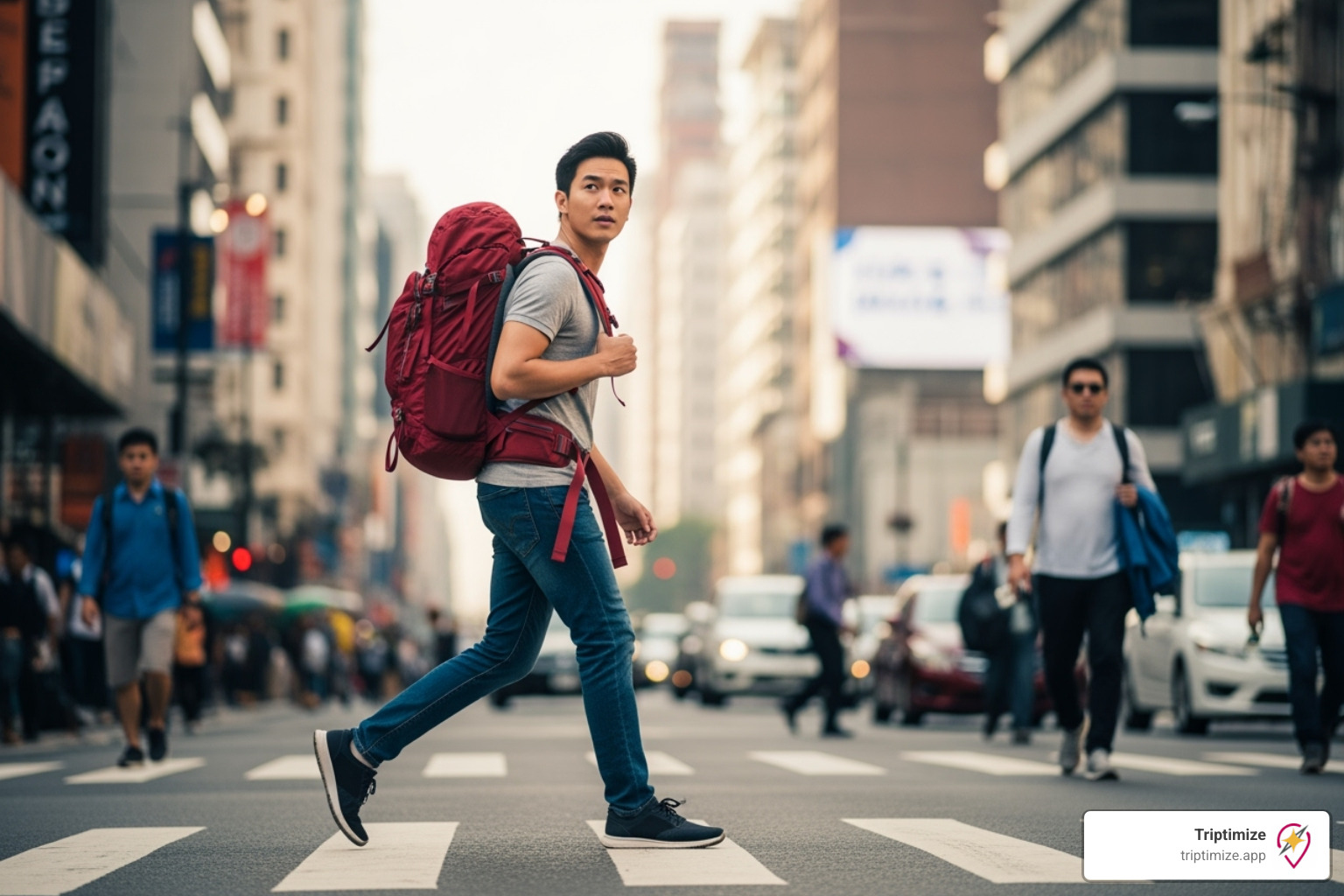
Your bags are packed and the trip begins! The final piece of solo travel planning is knowing how to stay safe, meet people, and handle curveballs with confidence.
Essential Safety Precautions for the Solo Traveler
- Trust your intuition—if something feels off, leave.
- Share your itinerary and check-in times with a trusted friend or family member.
- Secure valuables in a hostel or hotel safe; carry only what you need each day.
- Research common scams at your destination and plan to arrive during daylight whenever possible.
- Learn a few local phrases and save emergency numbers (police, ambulance, embassy) on your phone.
- Stay situationally aware—head up, phone down.
For deeper safety advice, browse our general travel tips.
How to Meet People and Avoid Loneliness
- Book social accommodations such as hostels, guesthouses or co-living spaces.
- Join local tours, cooking classes or volunteer activities—built-in conversation starters.
- Sit at the bar when dining out; it’s the easiest place to chat with locals.
- Use online communities (e.g., Meetup groups or the Solo Travel Society on Facebook) to find events.
- Smile and say hello—openness signals that you’re approachable.
Handling Unexpected Challenges Like a Pro
- Keep a loose backup plan. Bad weather or cancellations are easier to handle when you’ve identified an alternate activity or route.
- Lost passport? File a police report, then head to your embassy. Having digital copies speeds things up.
- Delayed transport is inevitable—download a book, podcast or language app to make productive use of the downtime.
- If you get sick, contact your travel-insurance provider for guidance on the nearest clinic or hospital.
- Stay calm and problem-solve step by step; most issues are temporary and solvable.
Comprehensive travel insurance remains your single best safety net—financially and emotionally. Pack a positive attitude, and you’ll be ready for almost anything the road throws your way.
Frequently Asked Questions about Solo Travel Planning
Let’s address some of the most common questions that come up during solo travel planning. These concerns are totally normal – we’ve all been there!
How many days is enough for a first solo trip?
Here’s the sweet spot: 5-7 days is perfect for your first solo trip. This gives you enough time to settle into your destination, explore one or two locations thoroughly, and truly experience what solo travel is all about – without feeling rushed or overwhelmed.
Think of it this way: it’s long enough to build confidence, enjoy some personal growth, and get comfortable with making all the decisions yourself. But it’s also short enough that you won’t feel intimidated or homesick. Plus, it sets you up beautifully for longer trips in the future once you’ve caught the solo travel bug!
Is it more expensive to travel by yourself?
This is probably the question we hear most often, and the answer is: it’s complicated, but it’s getting better. Traditionally, solo travelers faced those annoying “single supplements” on hotel rooms and tours – basically paying extra because you’re not splitting costs with a travel companion.
But here’s the good news: the travel industry is waking up to the fact that solo travel is booming. With 30 percent of men and 23 percent of women planning solo journeys for 2025, companies are finally catering to us! You’ll find more solo-friendly pricing and tours designed specifically for individual travelers.
Want to keep costs down? Stay in hostels or guesthouses – they’re budget-friendly and great for meeting people. Choose destinations where your money goes further (remember, that beer in Lisbon costs $3 versus $8 in Paris!). Eat like a local at markets or street food stalls instead of tourist restaurants.
You can also try home exchange programs for free accommodation, or be flexible with your travel dates to snag better flight deals. The key is smart planning, not avoiding solo travel altogether.
What are the best ways to handle eating alone?
Ah, the solo dining question! This feels intimidating at first, but honestly, it becomes one of the most enjoyable parts of traveling alone. Think of it as your time for people-watching, journaling, or simply soaking in the local atmosphere.
Eat at the bar – this is our top tip! Restaurant bars are perfect for solo diners. You’ll often strike up conversations with bartenders or other patrons, and it feels much more natural than sitting at a table alone.
Choose casual spots like cafes, food markets, and street food stalls. These places are naturally more relaxed and less formal, making solo dining feel completely normal. Bring a book or journal if you prefer some quiet company, or join a food tour or cooking class to enjoy meals with others while learning about local cuisine.
And here’s a lovely option: grab some local bread, cheese, and wine for a picnic in a park. It’s peaceful, budget-friendly, and gives you a chance to enjoy the local scenery while you eat.
Locals eat alone all the time – you’re just doing what feels natural in that place. Accept it as part of the trip, and you’ll be surprised how quickly it becomes second nature.
Conclusion: Accept the Freedom of Solo Travel
Wow, you’ve made it! We’ve journeyed together through the exciting world of solo travel planning. From dreaming up amazing destinations to mastering your finances and staying safe on the road, you’re now armed with the knowledge to make your solo trip truly unforgettable.
The benefits of traveling alone are truly incredible. It’s a chance to feel completely empowered and gain newfound confidence. You’ll hone your problem-solving skills and experience the pure joy of self-reliance. This journey is an amazing opportunity for deep personal growth, helping you find who you truly are when no one else is watching. It’s a liberating feeling!
Smart planning is your secret weapon for a successful, enjoyable, and stress-free solo trip. It helps you prepare for anything, make clever choices, and get the very most out of every moment. With the right preparation, you can truly accept all the freedom and flexibility that only solo travel offers.
Ready to make your solo travel planning even simpler? That’s where Triptimize comes in! Our AI-powered planner is designed to create personalized, perfectly optimized itineraries in minutes. It handles everything – from flights and hotels to amazing experiences – all without the need for endless spreadsheets. Plus, you get real-time updates for a smooth journey from start to finish.
So, what are you waiting for? The world is calling your name!
Learn how Triptimize can build your perfect solo itinerary in minutes.